Six buyer contexts
The same product, asked for six different ways.
A workshop, a fleet manager and a distributor can all be sourcing the same seatbelt and still need to describe it completely differently. This page sets out what a useful enquiry looks like from each position.
Contexts
Find the position you are buying from
Context
Passenger Vehicles
Cars, hatchbacks, sedans, SUVs and MPVs in private and commercial use. This is the largest and most varied application group, because belt geometry, anchorage positions and retractor arrangements are specific to each vehicle range and often change between model years.

A single vehicle or a small group of vehicles, usually with a known make and model, and usually with the existing belt available to photograph.
Make, model, year and body type. The seat position — front right, front left, rear right, rear left or rear centre. Whether the belt is a complete assembly or only a buckle, tongue or piece of hardware.
Two vehicles from the same manufacturer, even in the same generation, can carry different belts between trims and body styles. Treat the model year and body type as required information, not optional context.
A belt fitted to the wrong seat position may physically engage and still sit incorrectly across an occupant. Confirming the position is the cheapest step in the entire process.
Context
Commercial Vehicles
Light commercial vehicles, goods carriers, pickups, vans, buses and passenger transport. Commercial cabins frequently combine belt types in one vehicle — three-point belts in the outer positions and lap belts in a centre or bench position — which makes position-by-position clarity essential.
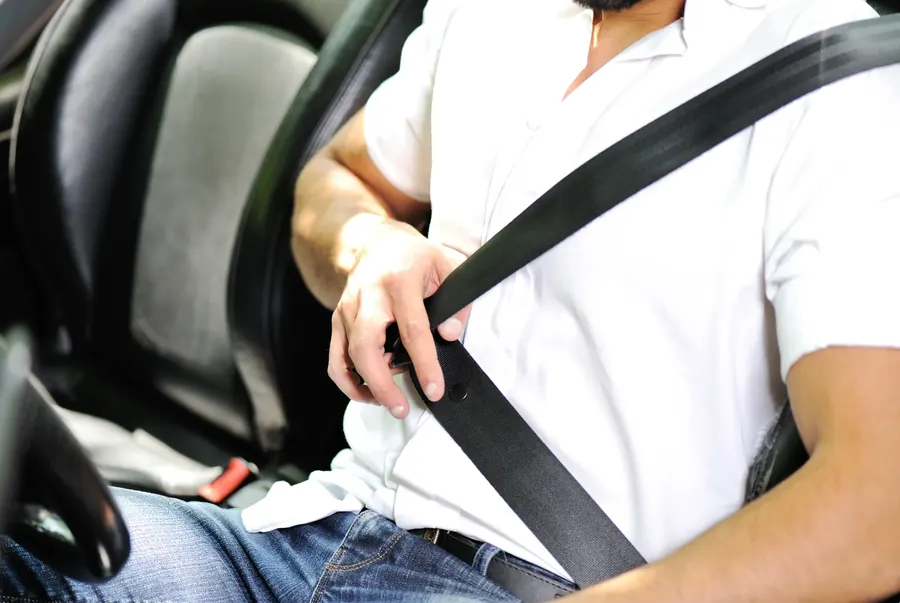
Multiple belts across several positions, sometimes across several vehicles, often with mixed configurations in the same order.
The vehicle type and body configuration, a per-position breakdown of what is needed, and whether seating is individual or bench. Photographs of each distinct position if they differ.
List the requirement position by position rather than as a single total. “Six belts” can mean six identical items or three different items in pairs, and the difference is not recoverable later.
Commercial cabins are rebuilt, retrimmed and reconfigured over their working life. What the vehicle left the factory with is not always what is fitted now, so identify from the vehicle in front of you.
Context
Fleet Requirements
Sourcing across a group of vehicles operated as one asset base: taxi and ride-hire fleets, staff transport, rental fleets, institutional vehicles and company cars. Fleet buyers think in schedules and consistency rather than in individual parts.
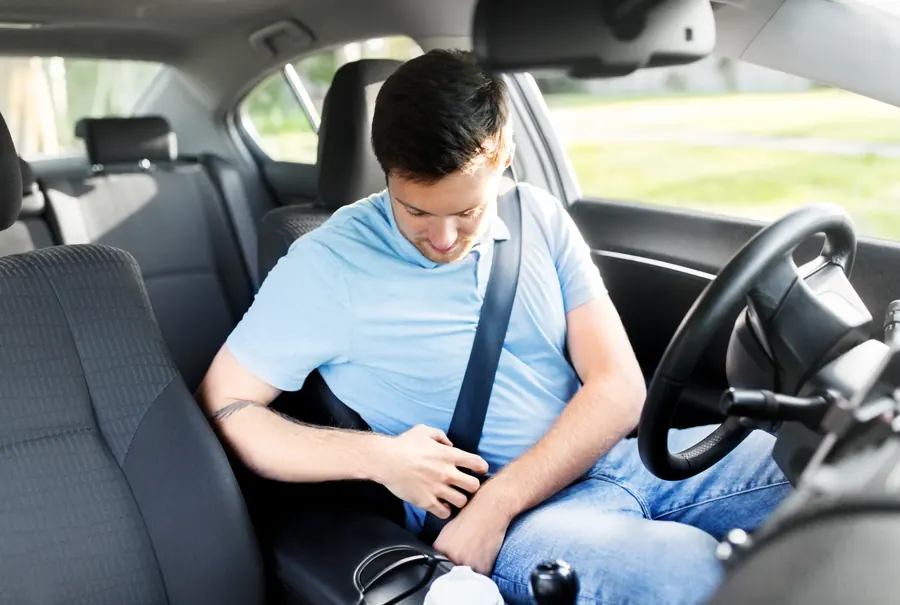
A defined quantity across a known vehicle mix, often planned in advance and often repeating on a maintenance cycle.
The vehicle mix and how many of each. The total quantity and how it breaks down. Whether the requirement is one-off or recurring, and the timeline you are working to.
Consistency across a batch is usually worth more to a fleet than optimising any single line item. State clearly if items must match each other, because that constraint changes what can be supported.
Fleet vehicles of the same model bought in different years may not carry identical belts. Verify against a sample of the actual vehicles rather than against the fleet list alone.
Context
Workshops & Service Centres
Independent garages, service centres, body shops and automotive repairers sourcing on behalf of the vehicles they are working on. Workshops hold the strongest position in any seatbelt enquiry, because the actual part is physically in front of them.
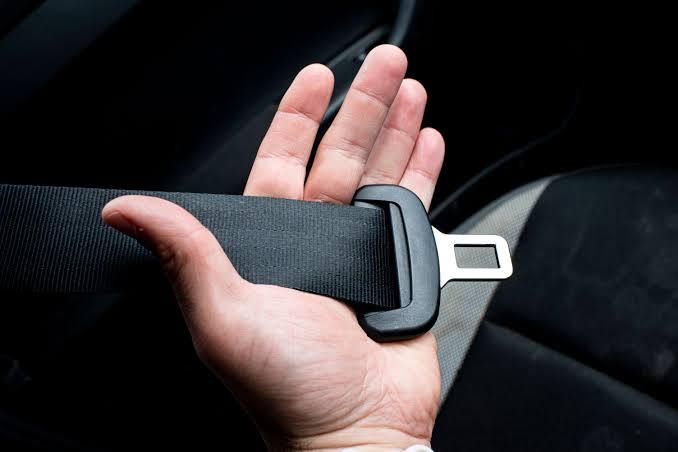
Requirements generated by jobs in progress. Sometimes urgent, frequently a mix of complete assemblies and individual components, often several different vehicles at once.
Photographs above everything else — the belt in place, the mounting points, the buckle from more than one angle, and any moulded or printed markings. Then the vehicle details and quantity.
Group your enquiries where you can. A single message covering four vehicles with photographs for each is faster to work through than four separate messages that each need clarifying.
You have direct access to the evidence. Two minutes photographing markings while the part is still accessible removes most of the back-and-forth that would otherwise follow.
Context
Replacement Requirements
Requirements defined by something already fitted rather than by a catalogue entry. The vehicle owner, workshop or operator needs a like-for-like item, and the existing part carries the entire specification.
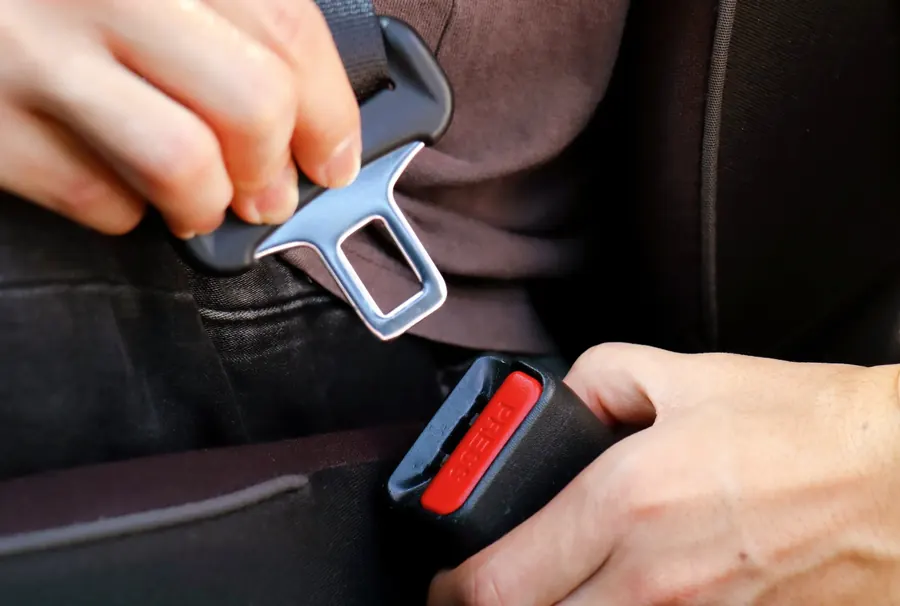
One to a handful of items, with a strong emphasis on matching what is there — including fixing arrangement, length and connector type.
Photographs of the existing part from several angles, all visible markings transcribed exactly, the seat position, and the vehicle details. A previous invoice or part reference if one exists.
Describe what you see rather than what you think it is called. “Black buckle on a short stalk, red press button, two bolt holes in the foot” is more useful than a guessed part name.
A like-for-like requirement is only as good as the identification behind it. If the existing part cannot be identified with confidence, say so — that is a normal starting point, not a problem.
Context
Automotive Businesses & Distributors
Parts distributors, retailers, accessory businesses, exporters and traders buying for onward supply rather than for a vehicle in their own possession. These buyers typically know the commercial parameters before they make contact.

Category-level requirements in defined quantities, often repeating, and usually with destination and timeline already established.
The product categories and quantities, the destination, the timeline, and whether the requirement repeats. Any packaging or labelling expectations your own customers place on you.
Say early if a requirement is recurring. A monthly repeat is a different planning conversation from a single purchase of the same size, and framing it correctly at the start saves a cycle of back-and-forth.
You are answerable to your own customers for what you supply. Verify what you are being told, keep the specification in writing, and confirm details in the same terms your customer used.
Common ground
What every context has in common.
Regardless of who is buying, an answerable enquiry contains the same five pieces of information. Everything on this page is a variation on how to gather them.
Make, model, year and body type — or the equipment, if the application is not a road vehicle.
Front right, front left, rear right, rear left or rear centre. Stated per item where a requirement covers several positions.
A complete assembly, a retractor, a buckle or receiver, hardware or an accessory — described plainly, or shown in a photograph.
The number required, broken down by item where the requirement is not uniform, plus whether it repeats.
City, state or country. Destination affects logistics, timeline expectations and any documentation a shipment may need.
Next step
Recognise your context? Send it in those terms.
You do not need the correct technical vocabulary to start. Describe the vehicle, the position, the part and the quantity in your own words, and the detail gets built up from there.