Wholesale automotive restraint solutions — B2B buyer enquiries

seatbeltwholesaler.com Wholesale sourcing desk Start a wholesale enquiry

Wholesale automotive restraint solutions

Wholesale sourcing starts with the right requirement.

A professional B2B destination for understanding automotive seatbelt requirements, exploring product categories and starting clear wholesale conversations.

Enquiry basis
Requirement-led and quantity-aware
Built for
Workshops, fleets, distributors, automotive businesses
Categories
Belts, assemblies, components, replacement needs
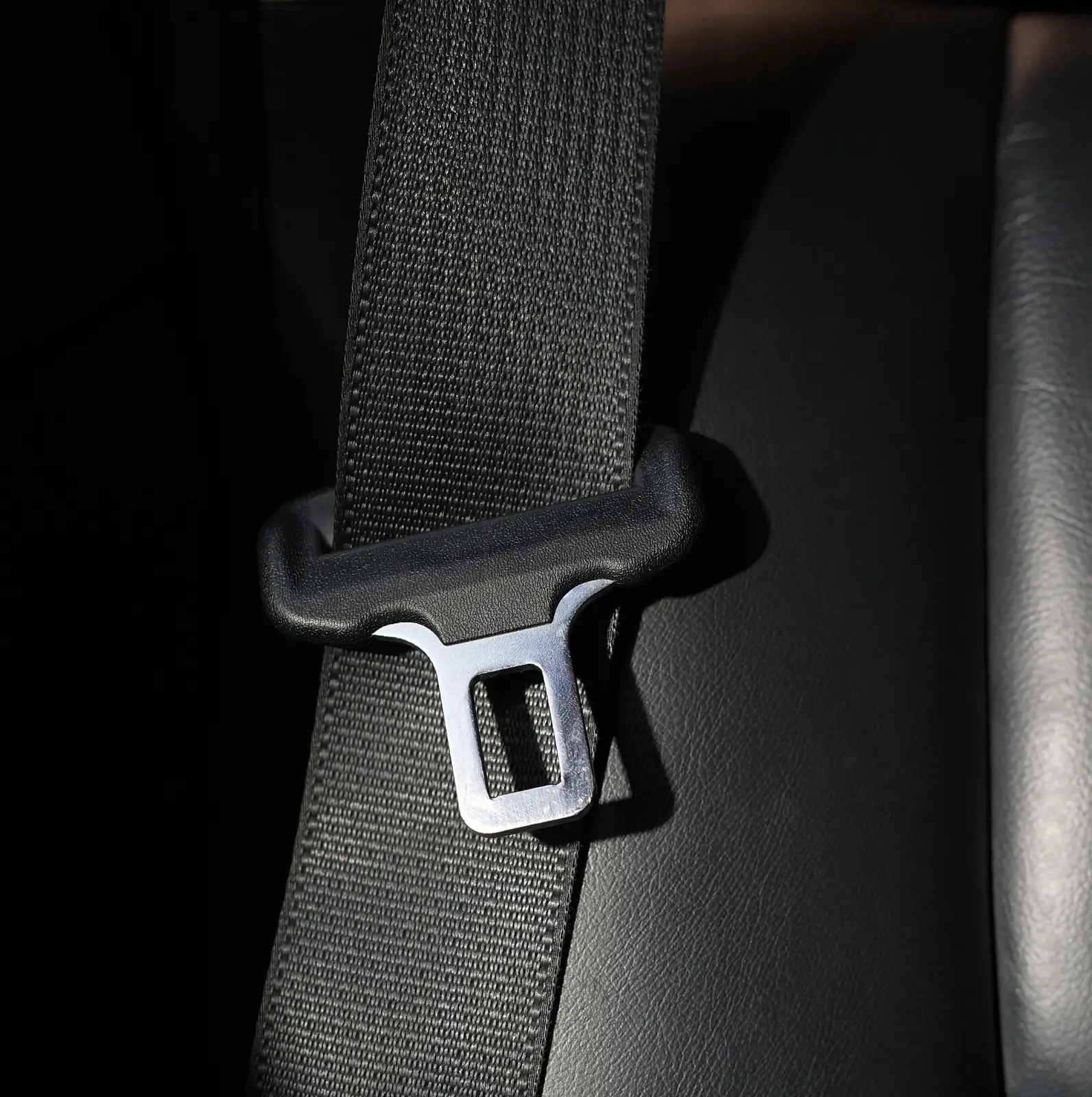
Plate 01 — Webbing through an upper anchorage loop
Seatbelt webbing running through an upper anchorage loop inside a dark vehicle interior

What this website is

A wholesale enquiry desk We work from the requirement you describe — product, application, quantity and destination — and answer with what can genuinely be supported.
The wholesale flow Product → Requirement → Quantity → Coordination → Supply
§ 01
At a glance

Six things a wholesale enquiry is actually made of.

Most sourcing delays are not commercial. They are informational — a requirement arrives without the detail needed to answer it. These six lines are what turn a general question into a workable wholesale conversation.

01 Product

Name the item as precisely as you can — a complete belt assembly, a retractor unit, a buckle or receiver, webbing, or an accessory. The product name is what narrows every question that follows it.

02 Application

The vehicle or equipment the part belongs to: make, model, year, body type and seat position (front right, front left, rear centre). Application is usually the single most useful line in an enquiry.

03 Quantity

Wholesale conversations run on numbers. A single replacement, a batch of twenty, a hundred for a fleet programme, or a repeating monthly requirement are four different conversations.

04 Requirement

New fitment, like-for-like replacement, refurbishment work or standardisation across a fleet. Stating the purpose stops a sourcing conversation from drifting toward the wrong product.

05 Destination

Where the goods need to reach — city, state or country. Destination shapes logistics, lead time expectations and any documentation that a shipment may require.

06 Communication

Photographs, moulded markings, part references, a previous invoice. Supporting detail removes guesswork, and guesswork is the most expensive part of any sourcing conversation.

§ 02
Directory

Product directory

Five entry points into an automotive seatbelt requirement. Each one leads to the same place — a clearer description of what you need, in the quantity you need it.

01 / 05

Automotive Seatbelts

The broad category most enquiries begin from: seatbelts fitted to passenger cars, commercial vehicles and other road vehicles. Belt type, seat position and vehicle application together decide what is actually being asked for.

  • Three-point
  • Lap / two-point
  • Front & rear positions
View category
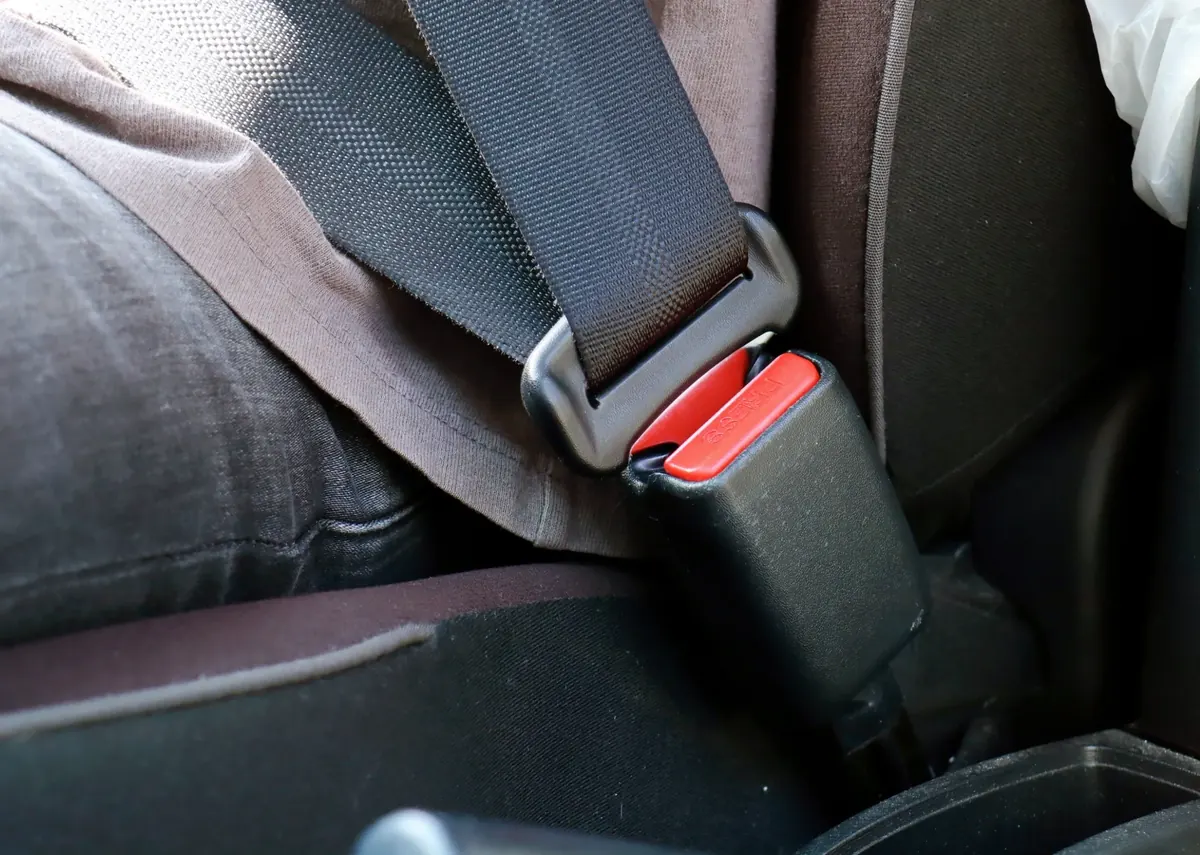
A seatbelt fastened into its buckle on a vehicle seat, viewed close up
02 / 05

Seatbelt Assemblies

A complete assembly is supplied as a working unit rather than a loose part — retractor, webbing, tongue and the fixings that mount it. Buyers sourcing assemblies usually need the vehicle application confirmed before anything else.

  • Retractor units
  • Webbing & tongue
  • Mounting points
View category
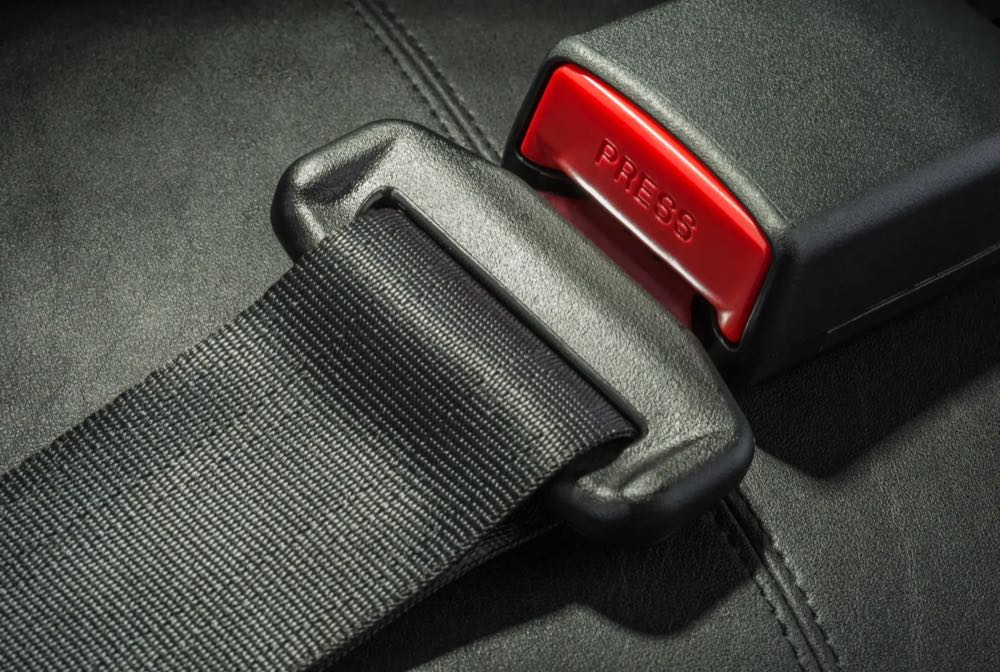
Seatbelt webbing seated in a buckle with a red release button on a dark leather seat
03 / 05

Seatbelt Components

Individual parts rather than whole assemblies: buckles and receivers, tongues, anchorage hardware, guides and fasteners. Component enquiries depend heavily on photographs and any markings visible on the existing part.

  • Buckles & receivers
  • Hardware
  • Fasteners
View category
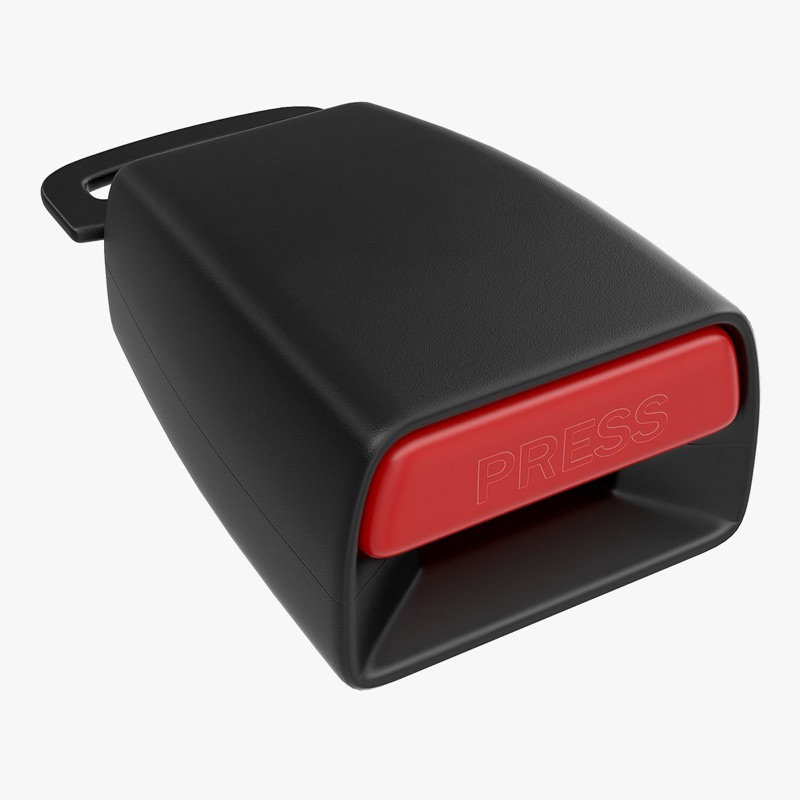
Product render of a black seatbelt buckle receiver with a red press-release button
04 / 05

Replacement Requirements

Sourcing driven by something already fitted to a vehicle. The existing part is the specification, so identification carries the whole conversation — photographs, markings and the exact seat position matter more than a product name.

  • Like-for-like
  • Identification-led
  • Photograph friendly
View category
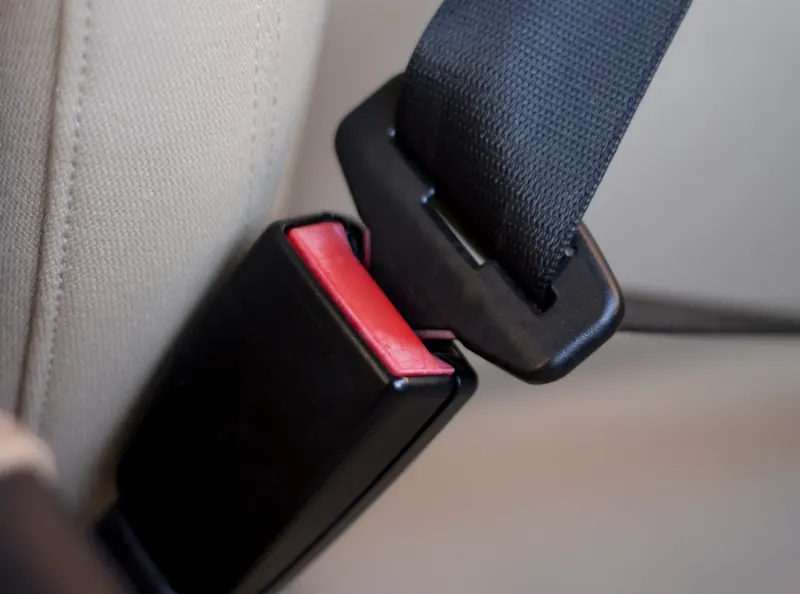
A seatbelt buckle with a red release button mounted beside a light fabric vehicle seat
05 / 05

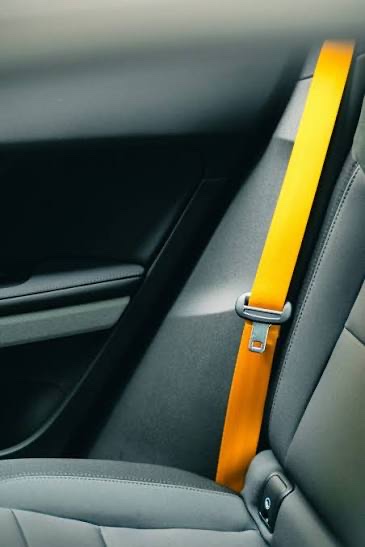
Application-Specific Requirements

Requirements defined by where the belt is going rather than what it is called: a particular vehicle range, a fleet standard, a workshop’s recurring pattern, or a colour and configuration tied to one application.

  • Fleet standards
  • Workshop volume
  • Specific ranges
View category
An orange seatbelt running diagonally across a grey vehicle interior
§ 03
Method

How a wholesale conversation runs here.

No forms to decode, no obligation to know the technical vocabulary. Describe the requirement in plain terms and the detail gets built up together.

Stage 01

You describe

What the part is, which vehicle or equipment it belongs to, how many are needed and where they are going. Photographs are welcome and often faster than words.

Stage 02

We clarify

Anything ambiguous gets asked about directly — seat position, belt type, fixing arrangement, markings on the existing part. Clarity here prevents the wrong item later.

Stage 03

We respond

You get a straight answer about what the requirement looks like, what is workable and what is not. Where something cannot be supported, we say so rather than guess.

§ 04
Buyers

Built for buyers who order in quantity.

Different buyers arrive with different information, and that changes how a requirement is best described.

Buyer type A

Workshops & service centres

Usually working from a vehicle already on the ramp. The existing part is the specification, so photographs, markings and seat position carry the enquiry.

Workshop context
Buyer type B

Fleets & commercial operators

Sourcing across a group of similar vehicles. Consistency across the batch matters as much as the individual item, and quantity is known early.

Fleet context
Buyer type C

Distributors & automotive businesses

Buying for onward supply, often on repeating requirements. Product categories, quantities and destination are typically defined before contact.

Business context

Straight answers

What this website does not claim.

A sourcing website is easy to inflate. This one is deliberately written the other way, because wholesale buyers verify what they are told.

Automotive seatbelts are occupant restraint components. Buyers are right to be careful about who they source them from and what is being asserted, so everything below is stated plainly rather than implied through decoration.

Certifications

No certification, test-house approval or award is claimed anywhere on this website. Any credential would be shown only if it genuinely applied.

Stock & availability

Availability is not promised in advance. What can be supported is confirmed against your actual requirement, not assumed.

Scale & history

No production figures, employee counts, factory claims or client lists appear here, because none have been substantiated for publication.

Scenarios

Buyer examples used across this site are labelled illustrative. They explain how information helps — they are not presented as real customers.

Next step

Tell us the requirement. We will tell you what is workable.

Send the product, application, quantity and destination — or simply a photograph and a question. Wholesale enquiries are answered on the same terms they arrive in: directly.