Catalogue — six categories
A product index written for people who have to describe what they need.
These are the categories automotive seatbelt enquiries usually fall into. Each entry explains what the category covers, who tends to buy it, and exactly which details make a wholesale enquiry answerable.
Category
Automotive Seatbelts — Three-Point
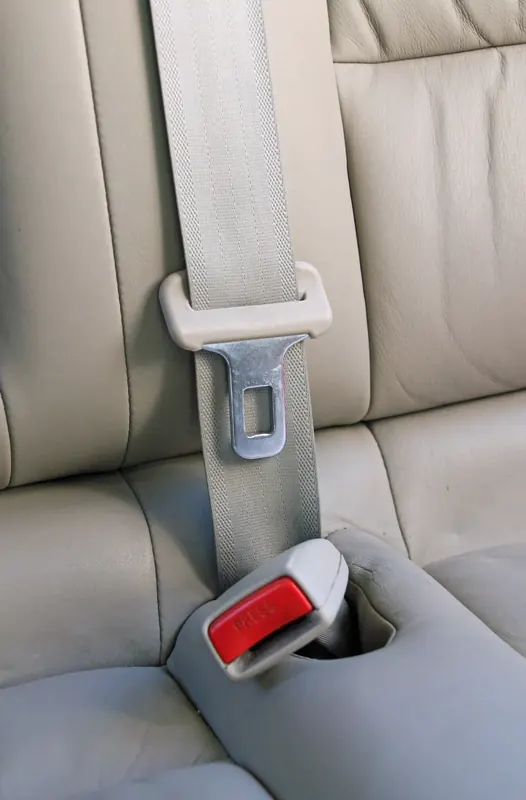
The configuration most road vehicles use: a lap section and a diagonal shoulder section anchored at three points around the occupant. It is the category most wholesale enquiries open with, and also the one where vehicle application matters most, because anchorage positions and belt geometry are specific to the vehicle they were designed around.
Buyer context
Buyers arriving here are usually replacing a belt on a known vehicle, sourcing for a range of similar vehicles, or buying for onward supply. In all three cases the useful starting point is the same — which vehicle, which seat, and how many.
Requirement information
Three-point — lap plus diagonal shoulder section
Front right, front left, rear right, rear left, rear centre
Vehicle make, model, year, body type; photographs of the fitted belt
Workshops, fleets, distributors, automotive retailers
Category
Lap & Two-Point Seatbelts
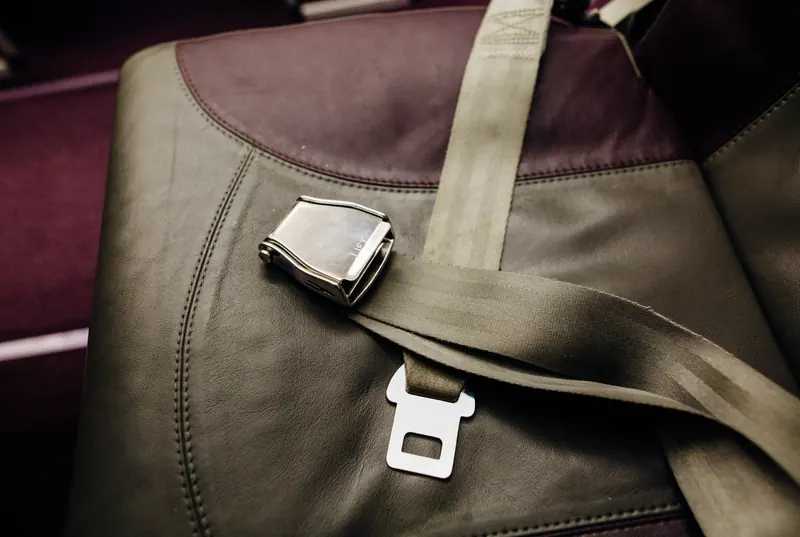
A two-point belt secures across the lap only. It still appears in centre-rear seating positions, in certain commercial and utility vehicles, in buses and coaches, and in a range of non-road applications. Because the format looks simple, enquiries often arrive under-specified — length, fixing type and mounting arrangement are what actually distinguish one lap belt from another.
Buyer context
If you are sourcing lap belts in volume, the three questions worth answering before anything else are how the belt fixes at each end, how long the assembly needs to be, and whether it is fixed length or adjustable.
Requirement information
Two-point — lap section only
Rear centre seats, bench seating, utility and passenger transport
Fixing type at each end, overall length, adjuster style
Both end fittings and the mounting point they attach to
Category
Retractable Seatbelt Assemblies
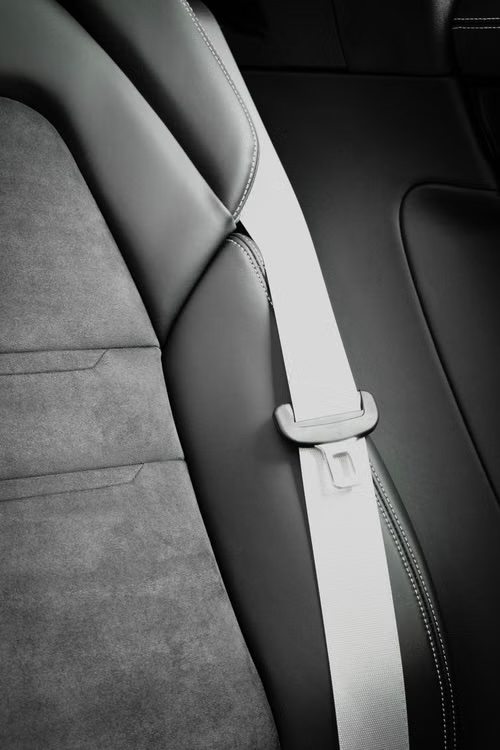
An assembly supplied as a working unit rather than as loose parts: the retractor that spools the webbing, the webbing itself, the tongue that engages the buckle, and the fittings that mount the whole arrangement to the vehicle. Buyers use the word “assembly” precisely because they do not want to reconcile separate components on arrival.
Buyer context
Assembly enquiries live or die on the vehicle application. Two visually similar retractors can differ in mounting orientation, webbing length and the way the unit locks into its housing, so the vehicle detail is not a formality — it is the specification.
Requirement information
Retractor, webbing, tongue and mounting fittings as one unit
Vehicle application and seat position
Mounting orientation, webbing length, any markings on the existing unit
Workshops replacing a complete unit; fleets standardising a range
Category
Buckles, Receivers & Tongues
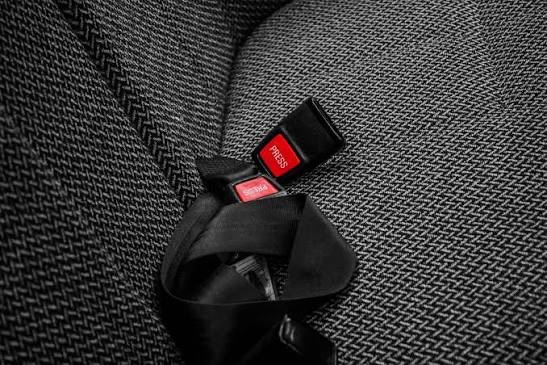
The engaging half of the restraint: the receiver or buckle body that accepts the tongue, the tongue or latch plate itself, and the stalk or cable that mounts the receiver to the seat or floor. This is the most photograph-dependent category on the site, because two receivers of the same broad shape can differ in stalk length, connector type and mounting foot.
Buyer context
Component-level enquiries are best opened with pictures rather than descriptions. A photograph of the buckle from the side, a photograph of the mounting foot, and any moulded lettering on the housing will usually take a conversation further than a paragraph of text.
Requirement information
Receivers, buckle bodies, tongues, latch plates, stalks
Clear photographs from more than one angle
Moulded codes, embossed lettering, labels on the webbing or housing
Stalk length and the width of the tongue slot
Category
Webbing, Anchorage & Mounting Hardware
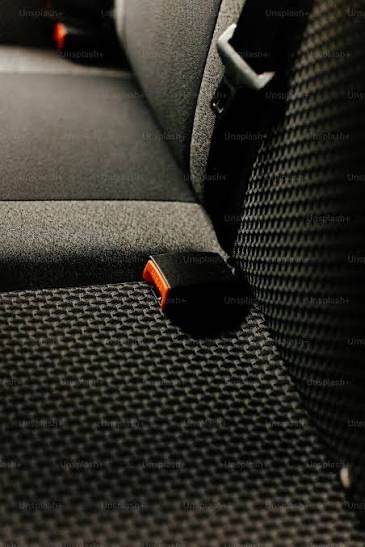
The supporting hardware that turns a belt into a fitted restraint: anchor plates, bolts and fasteners, height adjusters, D-rings and guides, trim covers and the webbing itself. Hardware is frequently the part that is missing when a job stalls, and it is also the part most often left out of an enquiry.
Buyer context
If you are ordering belts in quantity for an installation programme, it is worth listing the hardware in the same enquiry rather than as an afterthought. A batch that arrives without matching fixings is a batch that cannot be fitted.
Requirement information
Anchor plates, fasteners, adjusters, D-rings, guides, trim covers, webbing
Bolts, spacers and trim pieces needed to complete a fitment
Whether hardware is needed with the belts or separately
The existing mounting point, not only the belt
Category
Seatbelt Accessories & Extenders
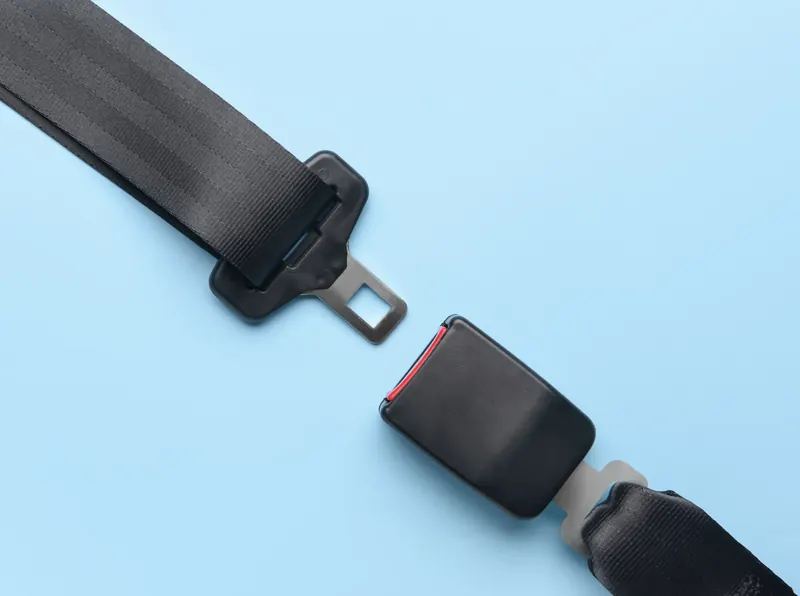
Items that sit alongside the belt rather than replacing it — extenders, guides, covers, clips and comfort fittings. Accessories are straightforward to buy in quantity, but they are not interchangeable across every vehicle, and an extender in particular must match the buckle it is intended to engage with.
Buyer context
Accessory enquiries are usually quantity-led. Tell us how many, which vehicles they are intended for, and whether they need to match a specific buckle type — that is normally enough to begin.
Requirement information
Extenders, guides, covers, clips and comfort fittings
An extender must correspond to the buckle it engages
Quantity, intended vehicles, colour if it matters
Accessories must never be used in a way that defeats a restraint's function
Replacement
Replacement requirements are identification problems first.
When a belt is being replaced, the part already fitted to the vehicle is the specification. Nothing you can tell us about the category matters as much as what is physically there.
Photograph before removing
Pictures of the belt in place — the retractor, the anchorage points and the buckle — record the mounting arrangement while it is still intact. That context is difficult to reconstruct once the part is out.
Record every marking
Moulded codes on the housing, printed labels on the webbing, embossed numbers on the tongue. Send exactly what is written, including characters you are unsure about.
Confirm the seat position
Front right, front left, rear right, rear left or rear centre. Belts differ between positions on the same vehicle, and this is the detail most often assumed rather than stated.
Responsibility
Seatbelts are restraint components, and we treat them that way.
Everything in this catalogue is described in sourcing terms — what a category covers and what information identifies it. This website does not publish fitting procedures, and it does not describe methods for bypassing, disabling, shortening or otherwise modifying a restraint system.
Seatbelt installation, inspection and repair belong with qualified automotive professionals working to the requirements that apply to the vehicle in question. If a restraint has been involved in a collision, or if its condition is uncertain, that judgement should be made by a competent person examining the vehicle — not from a product page.
What we will not do. Advise on defeating a restraint, supply guidance for improvised or homemade restraint components, or recommend a part for a vehicle we have not been given enough information to identify.
What we will do. Ask direct questions until the requirement is clear, tell you when a requirement cannot be supported, and keep the conversation in writing so both sides have a record of what was agreed.
Next step
Found the category? The next step is the detail.
Send the product category, the vehicle or application, the quantity and the destination. If you have photographs, they will usually do more work than a description.